Introduction to Vedic Mantras: Unlocking the Ancient Power of Sound
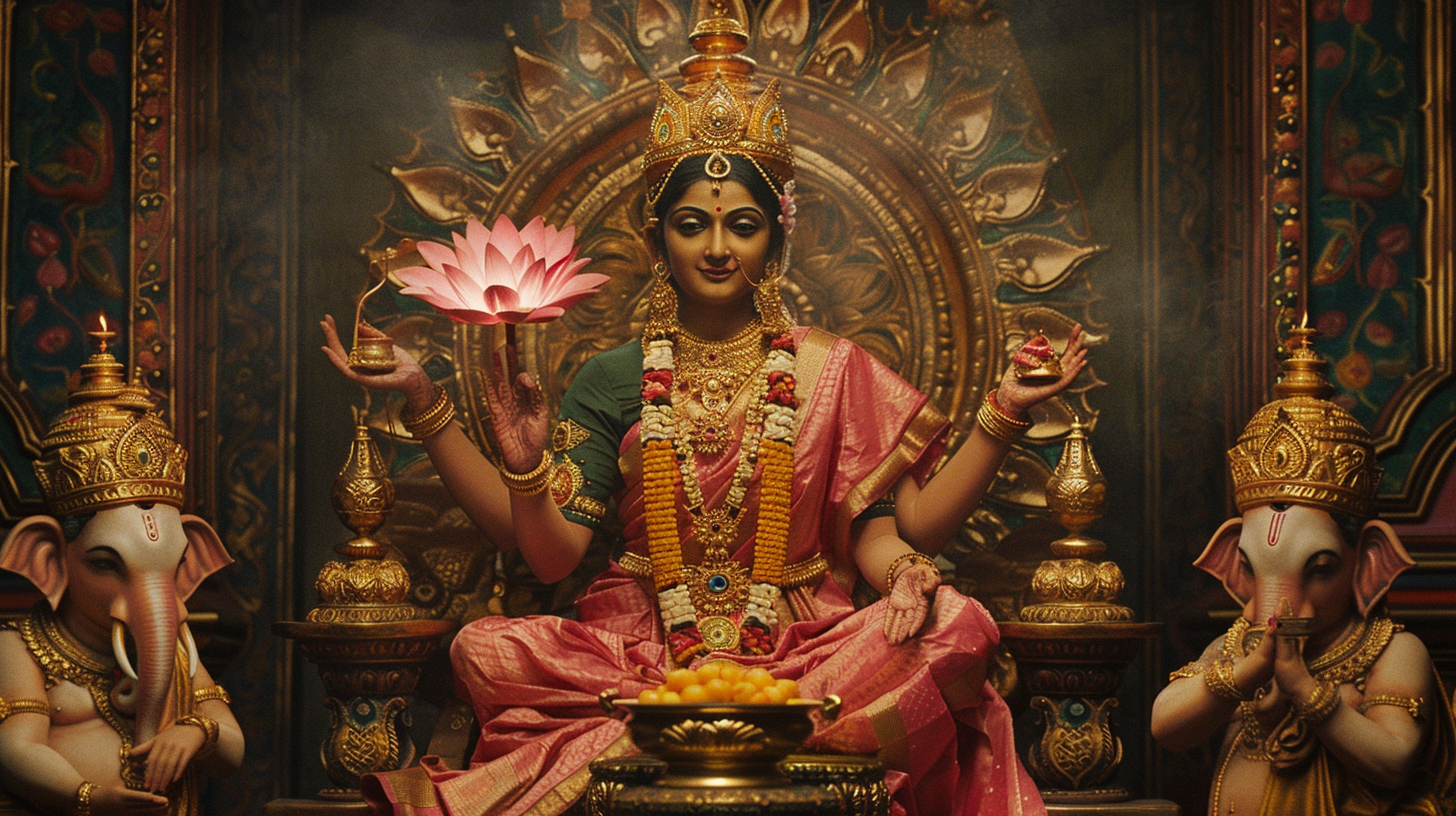
Vedic Mantras are sacred sound vibrations derived from the Vedas, the oldest spiritual texts in the world. These mantras are more than just chants; they are divine frequencies that align your body, mind, and soul with the cosmic energy of the universe. In today's fast-paced world, the ancient practice of mantra recitation offers a pathway to inner peace, spiritual growth, and holistic wellbeing.
The Origin and Meaning of Mantras
The word "mantra" comes from two Sanskrit words: "man," meaning mind, and "tra," meaning instrument or tool. Essentially, mantras are instruments of the mind—powerful sound tools that help focus thoughts, create specific vibrations in the body, and connect practitioners with divine energies.
Vedic mantras originated in ancient India, passed down through generations of spiritual masters. While many associate mantras exclusively with Hinduism, these sacred sounds transcend religious boundaries and are used in various spiritual traditions, including Buddhism, Jainism, and even contemporary meditation practices.
How Mantras Work: The Science of Sacred Sound
Modern science is beginning to understand what ancient sages knew millennia ago—sound has remarkable effects on our physical and mental states. When we recite mantras, several things happen:
- The rhythmic pronunciation creates specific vibrations that resonate throughout the body
- These vibrations affect brain wave patterns, often inducing alpha and theta states associated with meditation
- The focused repetition calms the nervous system and reduces stress hormones
- The meaning and intention behind the mantra directs energy toward specific outcomes
Research has shown that consistent mantra practice can lower blood pressure, reduce anxiety, improve concentration, and even boost immune function. But beyond these physical benefits lies the deeper spiritual purpose of mantras—connecting with divine consciousness.
Types of Vedic Mantras and Their Purposes
Vedic tradition offers a rich tapestry of mantras for various purposes:
Bija Mantras (Seed Mantras)
These are single-syllable sounds that represent primordial energies. Examples include "Om" (the universal sound), "Ram" (solar energy), and "Hrim" (divine feminine energy). Bija mantras are often incorporated into longer mantras or chanted on their own to awaken specific energies.
Deity-Specific Mantras
These mantras invoke particular aspects of the divine through specific deities. Examples include "Om Namah Shivaya" (Lord Shiva), "Om Namo Bhagavate Vasudevaya" (Lord Krishna), and "Om Aim Hreem Kleem Chamundaye Vichche" (Divine Mother).
Protective Mantras
Mantras like the Maha Mrityunjaya Mantra are recited for protection, healing, and overcoming obstacles and fears.
Prosperity Mantras
Mantras such as the Lakshmi Mantras are chanted to invite abundance, prosperity, and fulfillment of material needs.
The Practice of Mantra Meditation
While there are many ways to work with mantras, here's a simple practice to begin your journey:
- Choose a mantra that resonates with you (if you're new, "Om" is an excellent starting point)
- Find a quiet space where you won't be disturbed
- Sit comfortably with your spine straight
- Take a few deep breaths to center yourself
- Begin reciting your chosen mantra aloud, focusing on clear pronunciation
- Gradually transition to whispering, then silent mental repetition
- When your mind wanders (as it inevitably will), gently bring attention back to the mantra
- Practice for 5-15 minutes initially, gradually increasing to 30 minutes or more
Traditionally, mantras are chanted 108 times using a mala (prayer beads). This number has deep significance in Vedic numerology, representing the wholeness of existence and the 108 energy lines converging at the heart chakra.
Common Questions About Mantra Practice
Do I need a guru to receive a mantra?
While many traditions emphasize receiving mantras directly from a spiritual teacher, many mantras are openly available and beneficial even without formal initiation. Start with universal mantras like "Om" or "Om Namah Shivaya," and as your practice deepens, you might seek personal guidance from a qualified teacher.
Can I chant in a language I don't understand?
Absolutely. The power of mantras lies primarily in their sound vibrations rather than intellectual understanding. That said, learning about the meaning can deepen your connection and intention while chanting.
How long before I see results?
Like any spiritual practice, mantra meditation works gradually. Some people notice immediate effects like calmness or clarity, while deeper transformations typically unfold over consistent practice. The ancient texts suggest 40 days of consistent practice to establish a new energy pattern.
Embracing the Journey
As you begin your journey with Vedic mantras, approach the practice with reverence, patience, and consistency. These sacred sounds have guided seekers toward higher consciousness for thousands of years, and their potency remains undiminished in our modern world.
Through regular mantra practice, you may discover not just temporary peace, but a profound shift in consciousness—a direct experience of the divine vibration that permeates all existence. In the words of the Upanishads: "That which is the finest essence—this whole world has that as its soul. That is Reality. That is Atman (Self). That art Thou."